Thursday, February 15, 2024

Researching the One-Shot Scene

    As I begin research for my film opening, I am certain about one thing. I want to make a piece which incorporates longer shots. I don't know if I will do a singular shot for the whole two minutes, but I would like the least amount of cuts possible. Something about one singular, continuous shot is very intriguing to me. It may have to do with how much experience I have with live theatre and performing in it. In live theatre, there are no "cuts." I have been a part of good theatre and a part of bad theatre and they both have one thing in common: The show must go on. I would really like to experiment in creating the longest scenes possible with this project to mimic the exhilaration of a live performance where the audience chooses what to focus on. I have researched some great examples:


Scene from Joe Wright's Atonement

    This 5 minute long take takes the viewer through the aftermath of a Nazi attack in Dunkirk. The camera takes the audience through the beach as hundreds and hundreds of soldiers find their own ways to recover and rebound after the battle. I read the book Atonement in an AICE Literature class, and seeing this scene played out on screen was incredible. In just one shot, you can see such a variety of stories about peace and mayhem. 

    Although I respect the effort it took to create this beast of a scene, I cannot say that I will be taking inspiration from it for this project. It is truly just too ambitious. This long, wide tracking shot is the same type of technique you can see in movies like Sam Mendes's 1917 and Park Chan-Wook's Oldboy (2003). I don't think showcasing a sprawling landscape will be a smart idea with my resources (none) and my location (Florida). Still, I found one aspect of the Atonement scene to spark my interest. A group of men, perched up on a hill and blaring a soldier's tune, comes into frame. The calm melody that comes with this picture completely contrasts the chaos of the event. I found the use of music very riveting, and I am thinking about adding something like it to my scene.


Scene from The Bear (Episode 7, Directed by Christopher Storer)


    This (snippet of a) scene is where I think I could see my film opening heading towards instead. Originally an 18 minute singular shot, the scene above showcases 2 minutes of it. It is a stressful nightmare after a character accidentally forces the staff into a spiral of cooking, frying, baking, and yelling. The shot featured above is basically all filmed in the restaurant. While the scene from Atonement was a mix of establishing and long shots, there is no time for that here. The team has gotta get this food out! 
    Medium shots follow the cast through each of their tasks. This is something that I think I may follow for the long shots in my piece. The luxury of filming in one building is much easier than finding something like the stretch of beach in Atonement. Although the one-shot technique mixes very well with the stress and "dramedy" of The Bear, I would assume that it can work well with other genres as well. As I begin to decide on my genre and plot of the opening, I will see if all of these ideas holds up. If I make my film a one-shot scene, or even if I use a small number of long takes in general, I cannot make it look like I am showing off. If I decide to give in to the fun anxiety that can come from watching a one-shot, that would be very hard to make realistic (loud ≠ stressful). I am excited to see if all of this works out. Worst case scenario: I'll actually have to edit :(

Sunday, February 11, 2024

TRANSITION TO THE BEST FILM OPENING PORTFOLIO EVER

Hi! All future posts from here on out will be focusing on my portfolio project. Expect to see posts about my planning, preparation, and execution of the 2 minute film opening. I already have big plans, but I’m gonna try not to bite off more than I can chew. I hope these blog posts will keep me at a regular pace. Right now I’m gonna research and watch a bunch of different film openings to familiarize myself with their techniques. I’ll share what I find soon.

Friday, February 2, 2024

Music Marketing Blog Post #2

Working on this Music Marketing Project has been an eye-opening experience. As I mentioned in Post #1, my group and I deeply researched the genre given to us before starting. Familiarizing ourselves with the Pop practices in distribution, marketing, and style helped us create an outline for the task at hand. Our brainstorming began with plot points for our storytelling in the music video and techniques to add promotional clips of the band. Since the music video was going to be our introduction to the world (along with the song), we focused on that first. We worked on subjects in order of when they were to come up in our marketing campaign. It mimicked how we would feel being in the middle of those moments.


I unfortunately did not take part in the music video filming. I was in New York. Still, until the moment I left, I was helping out in thinking of camera shots and angles and editing techniques to make the video the most visually appealing. Even while in New York during my free time, I had started production on our groups Canva presentation for our marketing campaign. It was not ideal, but I believe we made the most out of our situation. 


Our Canva presentation was well rounded in showcasing different aspects such as our target audience and our distribution methods, but I am particularly proud of our social media slides and how we seek to gain exposure. Our slides show how we plan to use Youtube, Tik Tok, Instagram, and more sites to make our band be seen and heard everywhere. It is important to mention the impact that social media would have to our fans, since many of them would be made up of teenagers. 


Julia noted Ed Sheeran's rise into fame, and we plan to use his same old passion of going to outlets and venues and spreading the word about our band through concerts. I thought of how popular it is for people to turn songs into a different genre completely. I inputted how we could start pop-up acoustic performances of our tech-EDM songs to invite listeners of different genres like folk and pop.


As we prepare to submit our project, we each recorded voice memos to be included to piece the presentation from beginning to end. I am very confident that our presentation shows how our song, marketing, distribution, and band stays true to our genre and is different enough to spark a big hit for the band.

Friday, January 26, 2024

Music Marketing Blog Post #1

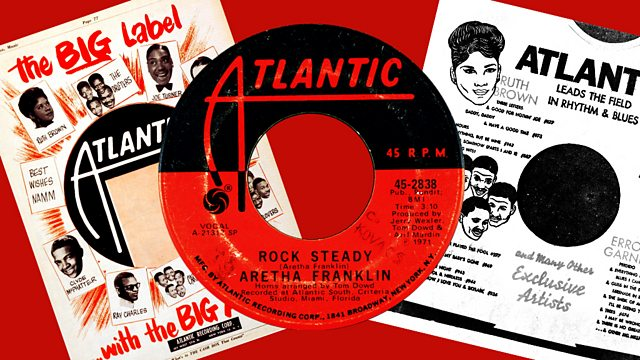
I am working on a Music Marketing project with Samantha Burke, Sofia Di Lauro and Julia Amigorena. Our journey began with in-depth research, exploring the current landscape of the music industry, identifying trends, and understanding our target audience. We scoured social media platforms, analyzed streaming data, and examined successful campaigns in similar genres. Personally, I really resonated with Charlie Puth's trajectory and I was engaged in how he works with Atlantic Records. I do not like his music, but he knows exactly who his audience is and he markets towards them. 

Navigating this intricate landscape required constant communication, adaptability, and a willingness to pivot when necessary. The four of us instantly made a group chat and had multiple Facetime calls together to flesh out our ideas. It also helped how we were all currently taking our school's AMT class, and could discuss even more about our project during the free time in there. One issue we faced was how I was taking the weekend of the 26th-29th to do musical theatre auditions in New York. This was a crucial time for filming. We decided to replace my spot in the music video with a friend of ours, Yoav Dahan. He was completely up to the challenge.


All of us were very open to any ideas each of us had. From the beginning though, we already had a similar vision for the band. An indie pop band made up of a family, with their first song being a love story with a Lofi-EDM-soft feeling. We each shared the strengths that we could bring to the table, like Sofia's instruments or Julia's LED lights. After thoroughly considering each of the main three music video types, Promotional, Storytelling, and Artistic, we decided to do a mix of a promo and a story piece. There was absolutely a story to tell through the lyrics of the song, but we had to remember the importance of clips showcasing the band members and introducing the vibe of the band to the world. Below is a chart which highlights our process.

This phase allowed us to gain insights into audience preferences, competitor strategies, and potential gaps in the market. The integration of collaborative tools, visual aids, and a robust team dynamic allowed us to tackle challenges head-on, emerging with a comprehensive plan that fuses creativity with strategic precision. As we transition into the execution phase, the lessons learned during this crucial stage will serve as guiding principles, ensuring "our" song and "our" band reaches the right ears and resonates with the hearts of our audience.

Wednesday, December 13, 2023

Representation in the movie The Prince of Egypt (1998)

"The Prince of Egypt," produced by Dreamworks Animation in 1998, remains a significant portrayal of the biblical Exodus story. The film's handling of Jewish representation, while commendable in many aspects, raises pertinent discussions about both its positive and negative facets. In the context of the late '90s, this depiction was a necessary step in representing a significant biblical narrative on the big screen. However, one notable critique revolves around the casting choices, where several Jewish characters were voiced by individuals not of Jewish descent.

Positively, the film aimed to honor and represent the essence of the Exodus story, a foundational tale within Judaism. It brought to life iconic figures like Moses and Rameses, intertwining their lives with emotional depth. The animation and storytelling were respectful and sought to capture the spiritual and cultural essence of the narrative, resonating strongly with Jewish audiences. The film's production team collaborated extensively with scholars and religious leaders, ensuring an authentic portrayal of the biblical tale, which added to its cultural significance.


Conversely, one of the critical points of contention was the casting choices. In a movie based on a significant biblical narrative from Jewish history, the decision to cast predominantly non-Jewish actors to voice Jewish characters raised concerns. This practice diverted from the essence of authentic representation, limiting opportunities for Jewish actors in roles that held cultural and religious significance. The industry's habitual preference for casting white actors to voice characters of diverse ethnicities and cultures perpetuated a systemic issue of underrepresentation and limited authentic cultural portrayal.

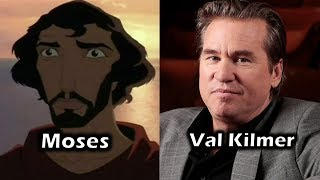
At its release, "The Prince of Egypt" was a milestone in bringing a biblical story to a mainstream audience, shedding light on Jewish culture and heritage. Yet, the casting choices detracted from the authenticity of representation. In the situation of Val Kilmer playing Moses, his shade of skin barely matches who they're playing in this interpretation. In an era where the film industry was beginning to grapple with questions of cultural representation and diversity, this movie stands as a testament to both its ambition and the challenges it faced in fully honoring the narrative's cultural roots.


Ultimately, while "The Prince of Egypt" succeeded in bringing a revered biblical story to the animated screen with visual splendor and emotional depth, it also highlighted the industry's ongoing struggle with authentic representation. The movie's impact and significance cannot be understated, but it also serves as a reminder of the importance of genuine representation in casting, ensuring that cultural and ethnic voices are accurately portrayed and heard.


(The soundtrack by Stephen Schwartz and the score by Hans Zimmer is incredible though)

Friday, November 3, 2023

Genre Research Activity


Genre: Science Fiction


Genre Conventions - Content:

Science fiction is a genre characterized by imaginative and speculative themes often set in futuristic or otherworldly environments. It explores scientific and technological concepts, often pushing the boundaries of reality. Typical content elements include advanced technology, extraterrestrial life, time travel, and dystopian societies. Themes commonly revolve around the consequences of scientific advancements, the exploration of the unknown, and the impact of technology on society.


Genre Conventions - Production Techniques:

Science fiction films employ various production techniques to create visually captivating and otherworldly settings. These techniques include CGI (Computer-Generated Imagery) for futuristic landscapes and creatures, practical effects for alien species or futuristic gadgets, and advanced cinematography to capture the grandeur of the sci-fi universe. Sound design also plays a crucial role, with futuristic and electronic soundscapes enhancing the immersive experience.


Institutional Conventions - How is Genre Marketed:

Science fiction films are marketed with an emphasis on their awe-inspiring visual effects and imaginative storytelling. Trailers often showcase the film's cutting-edge technology and the mysteries of its futuristic world. Key promotional strategies involve tie-ins with merchandise, comic books, and video games to engage fans and create a broader media franchise.


Film Sample #1 - "Blade Runner" (1982):

"Blade Runner" is a classic science fiction film that embodies the genre's conventions. It presents a dystopian future, sophisticated technology, and explores complex moral questions about artificial intelligence. The film's use of neon-lit cityscapes and a haunting Vangelis score adds to its iconic sci-fi atmosphere.


Film Sample #2 - "The Matrix" (1999):

"The Matrix" is another prime example of the science fiction genre. It delves into virtual reality and questions the nature of reality itself. The film's groundbreaking "bullet time" effects and the visually distinctive green hue of the Matrix world contributed to its iconic status.


List of 5-7 Other Film Examples Within the Genre:


"Star Wars: A New Hope" (1977)

"2001: A Space Odyssey" (1968)

"E.T. the Extra-Terrestrial" (1982)


"Inception" (2010)


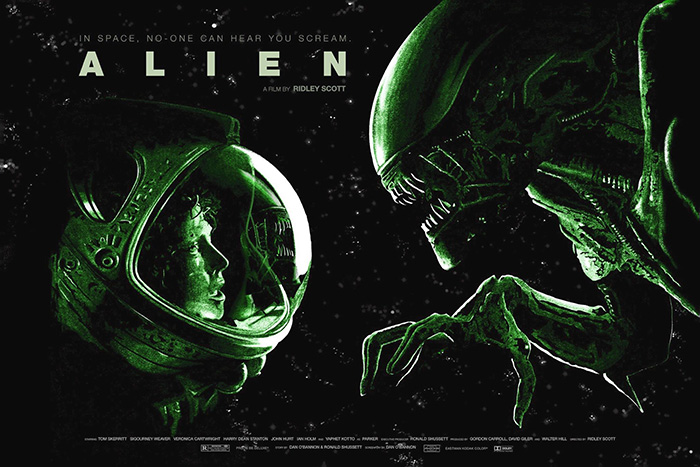
"Alien" (1979)


Monday, October 30, 2023

Sound Blog Post

A few weeks ago, we completed work on our sound projects. We had to tell a story through only sound effects and auditory techniques. It had to be as detailed as possible and as realistic as possible. Only seven words could be used. At least four of the scenes must be foley and must be created with random objects.

Here is our outline:

Zachary G., Violette M., Joseph M.


Inside Taxi:

  • White noise (to show inside taxi)

  • car engine 

  • Honking in the background 

  • Background radio 

  • Cars driving 

  • Taxi stopping with a screech 


Leaving Taxi:

  • “25 dollars” ***

  • Unzip wallet ***

  • Paper (cash) brushing 

  • Unbuckling seat belt 

  • Opening taxi door ***

  • Stepping off with heels on concrete (two foot steps)

  • Closing car door ***


Entry to club scene:

  • walking in heels on concrete 

  • Loud chatter in background 

  • City sounds (honking, cars driving, random yelling, slight ambulance sound)

  • Walking stops to louder chatter 

  • “ID please” ***

  • Unzipping wallet, handing id ***

  • Velvet rope unbuckled 

  • Walking heels on marble floor 

  • Club music gets louder 


Inside club:

  • club music 

  • Sound of electricity of colorful lights

  • Champagne poured in glasses ***

  • Glasses cling (celebrate)

  • Chair pulled out at bar

  • People yelling, talking, cheering

  • DJ Sounds (vinyl scratch, dubstep, yelling)


Police shuts it down:

  • Police siren getting louder while music stops/gets softer

  • Hear laughter and cheering until they realize

  • Doors open abruptly

  • “Hands up” ***

  • People running, gasping

  • Glass crashing on floor 

  • Thumps of falling

  • No music at end (Scene left with white noise, electricity buzzing, etc.)


- Me and Violette created ideas while Zachary was our main editor. He put together a great setup using Adobe. In the link below, you can see how drastically each sound was meticulously placed. There were some problems with importing vocal files, but we got it sorted out. The main source of error came from volume. Adjusting the volume of each file was very hard. Of course, placing the sound templates in the correct places was hard, but controlling the volume to see if it reflected the POV of the character (who the three of us wanted in the spotlight) was extra hard.
- Recording the foley sounds was fairly easy. We knew that money was a crucial part in the scene, as she needs to pay to her taxi driver. My group used actual cash. It sounded very realistic. Makes sense.
- Some additional foley sounds used were the sounds of heels walking inside and outdoors and a seatbelt buckle sound created by Violette. It seemed very funny to do the foley motions these practices, and we did not think it would work out so well. It was amazing. We think, the average consumer, wouldn't notice anything wrong.

https://drive.google.com/drive/folders/16VZElXfU_yySCSNiq1XCaotLgcY05a7W
https://drive.google.com/drive/folders/1QGU2BZoG4T7LzkWBx0bLn8W7pCjLTqSo 

Final Project:
https://drive.google.com/file/d/1gJTMI5EY4SHah7Tr8D3wsv7pAMRCFI4G/view

Creative Critical Reflection